
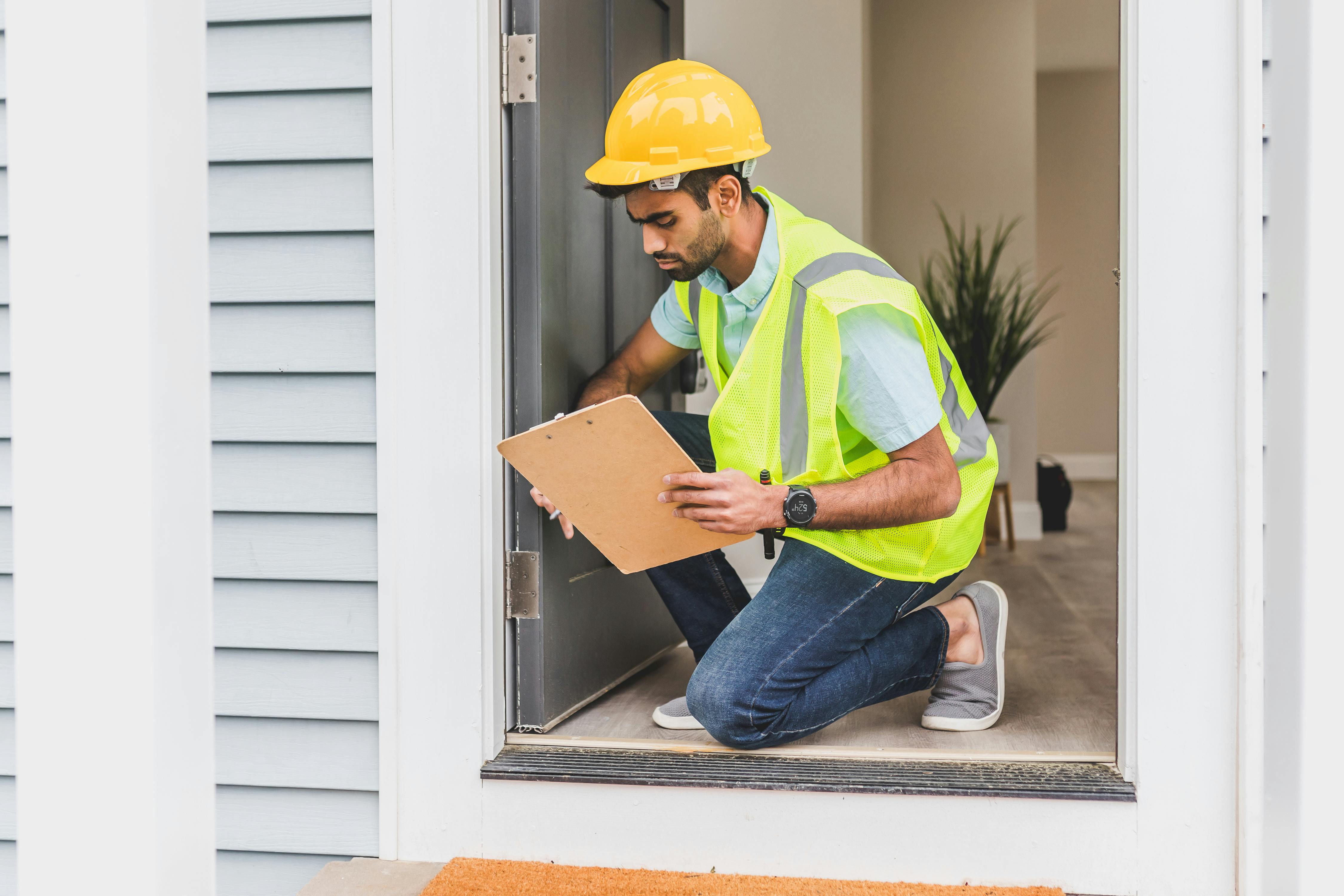





Thinking about adding a self-build home extension to your three-bedroom semi-detached house in Wiltshire? This can be an exciting project that not only enhances your living space but also adds value to your property. In the UK, the good news is that you might not need full planning permission, thanks to permitted development rights! Here’s a friendly guide on how to navigate this process efficiently.
### Understanding Permitted Development
First off, let's clarify what permitted development means. It allows certain types of building work to be done without needing detailed planning applications. However, there are guidelines you must follow, so knowing these restrictions is essential.
### Key Steps to a Successful Extension
1. **Check Your Rights:**
- Ensure your property is eligible. Typically, semi-detached homes can extend upwards or outwards under specific conditions.
2. **Design Considerations:**
- Think about the design of your extension. It should blend seamlessly with the existing structure and complement your neighborhood. Check local trends and popular architectural styles.
3. **Survey the Space:**
- Measure your current living space and the area for the extension. Make sure it fits into your garden without crowding your outdoor space.
4. **Consult an Expert:**
- Consider hiring an architect or a designer, especially if you want a customized design. They can help optimize the layout and maximize natural light.
5. **Preliminary Applications:**
- While not strictly necessary under permitted development, submitting a 'Lawful Development Certificate' can provide clarity and peace of mind.
6. **Building Regulations:**
- Even with permitted development, you must comply with building regulations. This involves ensuring safety, energy efficiency, and access. It can be smart to hire a professional to handle this.
7. **Dig into Detailed Plans:**
- Prepare detailed drawings that describe your extension's specifications. This plan can guide you during construction and assist any contractors you hire.
8. **Find Reliable Builders:**
- Research local builders with experience in extensions. Look for reviews and ask for quotations. Remember, this work is an investment, so choose professionals you trust.
9. **Communicate with Neighbors:**
- It’s a good idea to inform your neighbors about your project, especially since an extension can affect their view or light. A friendly chat can help maintain good relations.
10. **Execute the Build:**
- Once everything’s in order, let the builders work their magic! Keep an open line of communication throughout the process to ensure all runs smoothly.
### Important Considerations
- **Height Restrictions:** Extensions typically must be lower than the existing house roof.
- **Site Coverage Limits:** New work should not exceed half your garden area.
- **Materials:** Use materials similar to your current home for cohesiveness.
- **Aesthetics:** Maintain compliance with local design standards.
### Wrapping Up
Creating a self-build extension can be an exhilarating journey filled with creativity and planning. By following these steps and staying informed about regulations, you can transform your home into a more spacious, functional, and ultimately joyful haven. Embrace the adventure, and make it a space that reflects your style and meets your family’s needs!